Things to Do in Montevideo
Atlantic wind, grilled beef smoke, and tango drifting from 1920s cafés
Top Things to Do in Montevideo
Find activities and tours you'll actually want to do. Book through our partners -- no booking fees.


Plan Your Trip
Essential guides for timing and budgeting
Climate Guide
Best times to visit based on weather and events
View guide →Day Trips
The best excursions and nearby destinations worth the journey
Explore day trips →Where to Stay
Best neighbourhoods, hotel picks, and booking tips
Find hotels →Travel Insurance
What's required, what coverage matters, and how to get a quote
Read guide →What to Pack
Climate-specific gear, essentials, and what to leave at home
See packing list →When Should You Visit Montevideo?
Tap a month for weather, crowds, and highlights
View full year-round climate guide →Your Guide to Montevideo
About Montevideo
Montevideo greets you with the twin scents of sizzling skirt steak and Atlantic salt long before touchdown. Low pastel blocks rise along the Rambla, a 14-mile seafront promenade where joggers weave around elderly couples walking terriers at sunset and fishermen sell brótola for 300 pesos ($7.50) straight from their boats.
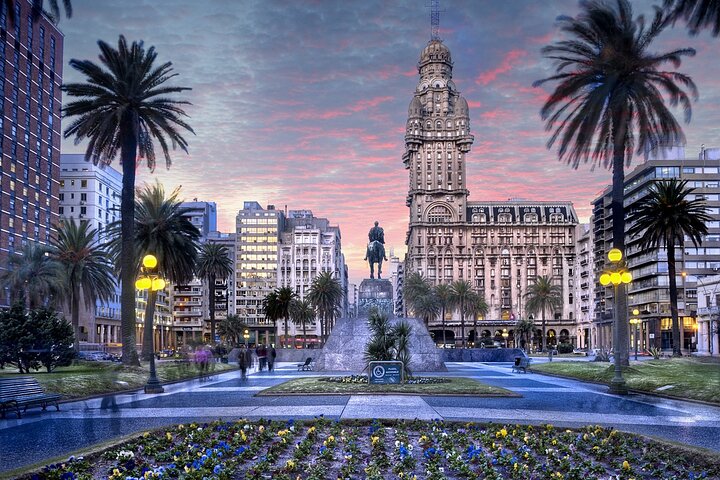
In Ciudad Vieja's Mercado del Puerto, parrilla smoke curls past iron beams that have been turning meat into lunch since 1868, while the art-nouveau Palacio Salvo looms like a fever dream over Plaza Independencia. Master the city's two speeds: mornings in Pocitos where the Atlantic slams the seawall and the air tastes of ozone, and 3 AM nights in Parque Rodó where milongas in converted warehouses only don't start until tourists have gone to bed.
Winter mornings hover around 10°C and feel colder because of the humidity. Summer afternoons bake at 35°C until the sea breeze arrives at 5 PM sharp. This isn't Buenos Aires-lite. Porteños come here to breathe. A cortado costs 90 pesos ($2.25) and arrives with soda water, just as locals expect. You'll grasp why Uruguayans defend their beaches, their mate, and their right to do absolutely nothing on a Sunday afternoon.
Travel Tips
Transportation: The STM bus system works but baffles newcomers. Grab a prepaid STM card at any Abitab kiosk for 50 pesos ($1.25) and load 200 pesos ($5) to start. Bus 104 runs from Carrasco Airport to downtown in 45 minutes for 80 pesos ($2), half the price of any taxi. Uber exists. Yet locals use PedidosYa for rides. Download it before landing. Walk the Rambla from Pocitos to Ciudad Vieja in an hour and see the city in panorama.
Money: Uruguay loves plastic. Most places take cards. But street vendors and corner stores are cash-only. ATMs spit out both pesos and dollars. Stick to pesos unless you're paying rent. The cambios on 18 de Julio beat bank rates, for Brazilian reals or Argentinian pesos. Tipping 10% is expected at restaurants but not at bars. Always check if "servicio" is already included.
Cultural Respect: The mate gourd is no prop. It's a social contract. If someone offers you mate, take it, drink it all, say "gracias" when you're done. Don't touch the straw. Sunday is sacred quiet time. Don't expect shops to open. Never blast music at the beach. At milongas, wait for an invitation to dance. Watching is well acceptable and often preferred.
Food Safety: That chivito sandwich swimming in mayonnaise? Eat it anyway. Street meat in Montevideo is generally safer than most places because Uruguay has strict food regulations. The real trick is timing. Choripan carts appear after midnight in Punta Carretas. The best churros emerge from blue carts around 5 PM near Rambla Gandhi. Ice cream from any Freddo or La Cigale is safe. The dulce de leche flavor will ruin you for all other ice cream.
When to Visit
December through February turns Montevideo into a beach town. The temperature hovers at 28°C (82°F), hotel prices jump 60%, and every porteño with vacation days descends on the Rambla. January's Carnaval brings drumming troupes through Barrio Sur that practice from midnight until dawn. Book apartments early and bring earplugs.
March to May hits the sweet spot: 22°C (72°F) days, 30% cheaper hotels, and the jacarandas lining 18 de Julio explode into purple bloom. June through August gets raw. Temperatures drop to 10°C (50°F) and sideways rain makes the Atlantic look like steel. Hotel prices crater to 40% of summer rates and you get the museums, steakhouses, and milongas to yourself.
September brings spring early to Uruguay. Expect 16°C (61°F) days with that specific smell of eucalyptus and wet pavement. The city's best secret arrives: spring Wednesdays at Parque Rodó's Feria where vintage dealers sell leather jackets for 1500 pesos ($37). October and November deliver perfect beach weather without summer crowds.
The water's still cold but locals swim anyway. Parrilla restaurants along the Rambla start setting up outdoor tables. Flights from Miami drop 25% in shoulder seasons. The city's famous Sunday feria stretches into twilight when the weather's good.
More Ways to Experience Montevideo
Tours, day trips, and local experiences curated by on-the-ground operators.
Didn't see anything interesting yet?
Browse Viator's full catalog of tours, day trips, food experiences, and private guides in Montevideo.
See All Montevideo Tours on Viator