
Things to Do in Montevideo in April
April weather, activities, events & insider tips
Low Season · Budget Friendly
April Weather in Montevideo
Long-run averages for April
71°F (22°C)
High Temp
57°F (14°C)
Low Temp
4.4 inches (112 mm)
Rainfall
77%
Humidity
7
Rainy Days
5
Sunny-Day UV
⚠ Sudestada storms, cold moisture-laden southeast winds that blow across the Rio de la Plata, can arrive with little warning in April. They bring two to three consecutive days of persistent drizzle, grey skies, and wind gusts strong enough to make the Rambla unpleasant. These same winds occasionally push river water onto the lowest sections of the coastal promenade near Ciudad Vieja and Ramirez. Check local forecasts daily. Keep indoor alternatives ready.
Is April Right for You?
Weigh the advantages and considerations before booking
Advantages
- + Autumn clears out the summer crowds. The Rambla belongs to locals now. This 22 km (13.7 miles) coastal promenade curves from Ciudad Vieja to Carrasco. You walk without dodging umbrellas. The golden late afternoon light over the Rio de la Plata peaks in April. It is the best of the year.
- + Temperatures hit the sweet spot. Highs around 22°C (71°F). Lows near 14°C (57°F). You can walk six or seven hours through Ciudad Vieja, Parque Rodo, and Pocitos. No January humidity soaking your shirt. Pack layers.
- + Tannat harvest ends in early April. The Canelones bodegas north of the city relax. Tastings slow down. Cellar teams show off the new vintage. You might be alone in the tasting room. Ask questions. They will answer.
- + Indoor culture returns. Teatro Solis reopens after summer. Ciudad Vieja galleries rotate exhibitions. The milongas fill with locals back from the beach. Tango happens here. Join in.
Considerations
- − Beach season ends. The Rio de la Plata drops to 18°C (64°F) by mid-April. Pocitos and Ramirez sit empty. Dog walkers only. Swimmers, come back in January. Wrong month now.
- − Daylight shrinks fast. Sunset hits 6:15 PM by late April. Sightseeing ends earlier. Dinner happens in darkness by 7 PM. Montevideo eats late anyway. You will adapt.
- − April brings the most rain. About 112 mm (4.4 inches) across seven days. Most showers pass in an hour. Watch for the sudestada. That cold southeast wind can lock in grey skies for two or three days. The Rambla becomes miserable. Check forecasts.
Best Activities in April
Top things to do during your visit
Montevideo in April April finds Montevideo easing into autumn. The shift registers in every sense. The summer crowds have dispersed from the Rambla, that serpentine coastal promenade that traces the city's entire southern edge along the Río de la Plata. Daytime highs settle around 22°C, cool enough to walk for hours without the heaviness of the January heat. Evenings drop toward 14°C and demand a light jacket. The estuary light turns softer, less bleached. The plane trees that line Avenida 18 de Julio begin losing their broad leaves in crackling drifts across the sidewalks. Rainfall averages about 112 millimetres for the month, arriving in brisk squalls that sweep in from the southwest and clear within an hour. The pavement goes slick. The air smells of wet stone and eucalyptus. This is Montevideo at its most unhurried. The pace of the city, already famously relaxed by South American standards, slows another notch. Restaurants in Ciudad Vieja fill at a civilised ten o'clock rather than the midsummer midnight. The smoky scent of wood-fired parrillas drifts from open doorways along Pérez Castellano. Locals reclaim the beaches of Pocitos and Carrasco for morning walks rather than sunbathing. The water takes on a tawny, muscatel colour under the lower sun. Montevideo's food scene operates at full strength. This is harvest season for Tannat grapes in the Canelones region just north of the city, and the first pressings of the vintage appear at wine bars along Bartolomé Mitre. For travellers, April has a city that feels lived-in rather than performed. Shorter queues at the Mercado del Puerto. Cooler conditions for wandering the grid of Ciudad Vieja. Hotel rates that reflect the off-peak calendar. Safety in Montevideo follows the same common-sense rules as any Latin American capital: stay aware in quieter streets after dark, keep valuables close along the Rambla at night, and stick to well-lit blocks in the centro. The boardwalk remains one of the finest urban waterfront walks on the continent, stretching over twenty kilometres from the old port past Punta Carretas to Carrasco. In April you can cover long stretches of it without dodging joggers or cyclists.

Same cruise sharing tour in Montevideo with TANGO TOUR
cruiseThis shared group tour pairs a guided circuit of Montevideo's central landmarks with a tango demonstration that develops in one of the city's traditional milonga spaces. The wooden floor creaks under the dancers' pivots. The smell of aged leather and floor wax fills the room. The route threads through Ciudad Vieja, past the neoclassical façade of the Solís Theatre and the thick-walled colonial structures flanking Plaza Matriz. Then the tango segment introduces the music and footwork that Uruguay claims as co-birthright with Buenos Aires. You hear the wheeze of a bandoneón up close. You watch the sharp snap of a gancho. You get the cultural context that separates Montevideo's tango tradition, more understated and improvisational, from its Argentine counterpart.
Montevideo was tango's other cradle, and this tour puts you inside that lineage with live music and movement rather than a museum panel.
Insider tip: Request a spot near the musicians during the tango portion so you can feel the vibration of the bandoneón's bellows and catch the performers' sotto voce cues to each other.

Discover Colonia del Sacramento, Private City Tour UNESCO
culturalColonia del Sacramento sits across the estuary from Buenos Aires. But it belongs to Uruguay. This private day trip from Montevideo covers the roughly 180 kilometres of rolling farmland between the two cities. It deposits you inside UNESCO-listed walls where the cobblestones are worn to a polish by four centuries of footfall. The Barrio Histórico is a compressed puzzle of Portuguese and Spanish colonial architecture, its low stone houses roofed in clay tile, bougainvillea tumbling over whitewashed walls in shades of magenta and rust. Your guide navigates the Calle de los Suspiros, a narrow lane where you smell woodsmoke from a corner parrillita and hear the clatter of a gate latch in the wind. Then the old lighthouse, where the spiral iron staircase rings underfoot and the view from the top sweeps across the river's brown expanse toward the Argentine coast.
Colonia is the oldest European settlement in Uruguay, and the private format lets you linger in its quietest corners rather than following a cruise-ship pace.
Insider tip: Ask your guide to stop at one of the small artisan honey producers along the route between Montevideo and Colonia. The eucalyptus and wildflower varietals are distinctive, and tasting them beside the hives is something the group tours skip entirely.
This month: April's cooler temperatures and thinner visitor numbers make Colonia's narrow lanes far more comfortable to explore than in the sticky heat of January or February.

Traditional and award-winning winery tour in Montevideo
guided_experienceThis guided winery tour heads north from Montevideo into the Canelones wine region. Uruguay's signature Tannat grape covers the hillsides in low-trained rows that in April still carry the deep green of late-season leaf before the autumn drop. You visit established and award-winning estates, tasting directly from barrel and bottle in cool cellars that smell of damp oak and fermenting grape must. The Tannat here produces a wine that is darker, denser, and more tannic than almost anything from France's Madiran, where the grape originated. The winemakers walk you through the soil, the pruning philosophy, and the ageing decisions that shape each vintage. Between tastings, you stand in vineyards where the clay-rich earth stains your shoes red and the breeze carries the faint sweetness of decomposing grape skin from the recently harvested rows.
Uruguay's Tannat is one of the wine world's least-known triumphs, and tasting it at the source, surrounded by the vines, is a different experience from reading about it in a restaurant list.
Insider tip: Eat a substantial breakfast before the tour. The tastings are generous and start early, and the cheese and charcuterie pairings between estates are excellent but not a full meal.
This month: April falls at the tail end of harvest season for Tannat grapes in Canelones, so you may witness late picking and the earliest stages of fermentation, a sensory window that closes by May.

Private Transfer Montevideo Airport to Hotel O Hotel - Aero
transportThe private airport transfer between Carrasco International Airport and your Montevideo hotel strips away the uncertainty of navigating an unfamiliar taxi rank after a long flight. The driver meets you at arrivals with a name board, handles luggage, and covers the roughly thirty-minute route into the city along Rambla República de México. The estuary opens up to your left. The skyline of Pocitos and Punta Carretas appears across the water. The vehicle is clean and air-conditioned. The ride gives you a first taste of Montevideo's geography: the flat coastal strip, the parks, the residential towers of the eastern barrios giving way to the denser grid of the centro.
Landing in a new city at night or after a delayed connection is when a reliable, pre-arranged transfer earns its cost several times over.
Insider tip: Confirm your hotel address with the driver before departing the airport. Several Montevideo neighbourhoods have duplicate street names, and a quick check avoids a detour through Cordón when you meant Pocitos.

Enjoy Private Tour Montevideo Your Way
private_tourThis private tour lets you shape the itinerary around your own interests. That might mean the Art Deco details of the Palacio Salvo, the crumbling grandeur of the Estación Central, the leather goods stalls of the Tristán Narvaja flea market, or an afternoon spent eating chivitos and watching fishing boats at the Mercado del Puerto. Your guide, a Montevideo local, adjusts the route on the fly, steering you down side streets where the balconies sag with ironwork and the smell of fresh medialunas drifts from corner bakeries. The format works well for second-time visitors who have already seen the Rambla and want to examine a neighbourhood like Barrio Sur, where the candombe drum workshops send deep, resonant rhythms through the walls in the late afternoon.
Montevideo rewards slow, neighbourhood-level exploration more than monument-hopping, and a local guide unlocks the texture that a self-guided walk misses.
Insider tip: Ask your guide to include a stop at a licorería in Ciudad Vieja for a grappamiel tasting. The honey-and-grappa liqueur is an Uruguayan original, served from unlabelled bottles, and most visitors leave without knowing it exists.

Private Wine Tours by Wine Explorers Uruguay
foodWine Explorers Uruguay runs private vineyard tours that go deeper than a standard tasting circuit, pairing estate visits in the Canelones and Montevideo wine zones with a focus on the winemaking process and the personalities behind each label. You ride through countryside where the flat green pastures give way to vineyard rows. The first winery you enter smells of crushed grape, damp concrete, and the vanilla edge of new French oak. The guides here are sommeliers and wine educators, not bus drivers reading a script. They match each pour with local cheeses, cured meats, and olive oils that sharpen your sense of how Tannat and Marselan and Albariño taste when rooted in Uruguayan soil. The smaller estate visits often include a walk through the barrel room where you can press your palm against a cool oak stave and feel the faint hum of fermentation inside.
This is the most immersive way to understand why Uruguay's wine industry, tiny by global standards, produces Tannat of a quality that wins blind tastings against bottles costing far more.
Insider tip: Tell your guide if you prefer reds or whites before the day begins. They can swap one estate for another to weight the tastings toward your palate, which the fixed-itinerary tours cannot do.
This month: April is harvest's final stretch in the Montevideo wine region, and some estates offer the chance to taste juice straight from the press alongside finished wines from previous vintages, a side-by-side that clarifies what barrel ageing does.
Where to Stay in Montevideo in April
Hand-picked hotels across price tiers for April travellers.
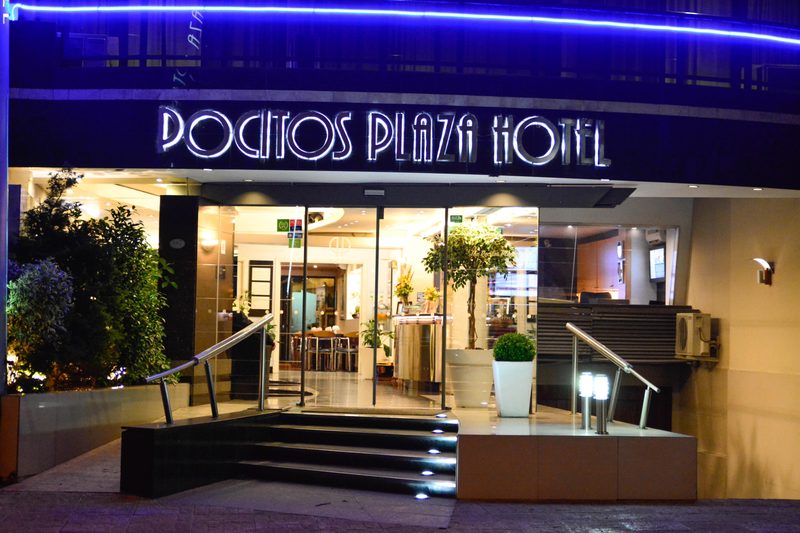
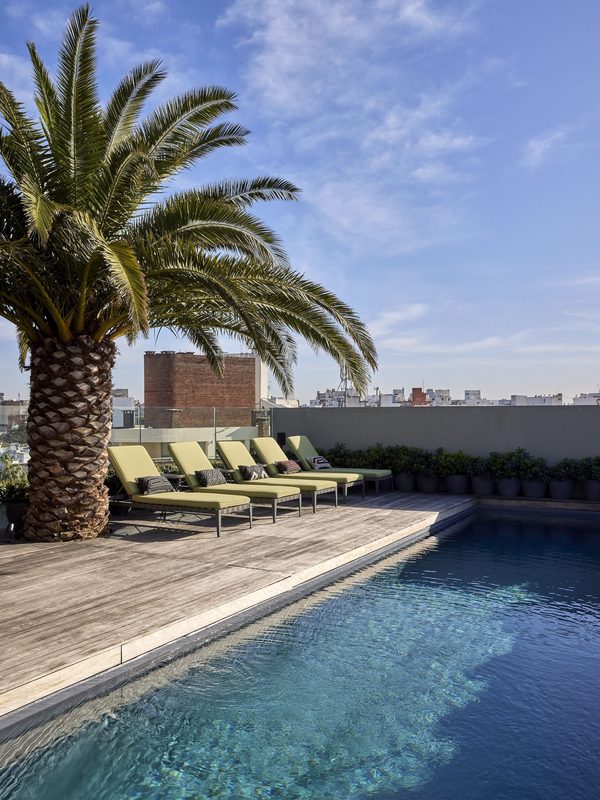
★★★★★
Luxury
Hotel Montevideo - Leading Hotels of the World
From $155 / night
Check Prices on Trip.com →
Public Holidays in April
Dates that affect opening hours, transport and crowds
Desembarco de los 33 Orientales
Known in English as Landing of the 33 Patriots Day. Observed nationwide as a public holiday.
Semana de Turismo
Known in English as Maundy Thursday. Observed nationwide as a public holiday.
Semana de Turismo
Known in English as Good Friday. Observed nationwide as a public holiday.
Desembarco de los 33 Orientales
Known in English as Landing of the 33 Patriots Day. Observed nationwide as a public holiday.
Packing Checklist
Bookmark this page — your progress is saved between visits
Need the full list with shopping links?
Climate-specific gear, brand recommendations, and what to leave at home.
View Montevideo Packing List →Essential Tips
Insider knowledge and common pitfalls to avoid
Insider Knowledge
The Feria de Tristan Narvaja runs every Sunday along Tristan Narvaja street in the Cordon neighborhood. Montevideo's massive street market sprawls for blocks. Find antique soda siphons, used books, fresh produce, and caged songbirds. It has operated since 1959. The crowd is almost entirely local. Arrive by 10 AM. The good antiques go fast. Eat a choripan from the carts at the southern end. The charcoal smoke is thickest there. The bread has that slightly crusty, grease-soaked quality. Worth the napkin destruction.
Uruguayans drink more mate per capita than Argentines. In April you will see the ritual everywhere. The thermos tucked under one arm. The gourd in the other hand. The slow circuit of passing and sipping on the Rambla. If someone offers you mate, accept. Drinking from the same bombilla is the social contract. Refusing is mildly rude. Do not say thank you until you are done. Saying 'gracias' signals you are passing on the next round.
Montevideo ranks among the safer South American capitals. Ciudad Vieja after dark is different. Areas south of Sarandi toward the port empty out. Petty crime picks up. Walk with purpose. Keep your phone pocketed. Stick to lit streets around Plaza Matriz and the Mercado del Puerto area. Pocitos and Carrasco neighborhoods are comfortable to walk at night year-round.
The medio y medio was invented inside Mercado del Puerto. Half sparkling wine, half white wine, served cold in a small glass. This is the closest thing Montevideo has to a signature cocktail. Order it at the market to watch the full pouring ritual. Any bar in Ciudad Vieja will make one if you ask. It is deceptively easy to drink three before you notice. Your afternoon will rearrange itself accordingly.
Avoid These Mistakes
Skip the beach holiday plans for April. Summer crowds leave Pocitos, Ramirez, and the eastern beaches by mid-March. Water temperature drops below comfortable swimming range. April Montevideo is a walking, eating, and cultural city. Not a beach destination. Want sand and warm water? Come in January or February.
Montevideo is its own city. It has its own pace. Its own claim on tango. A distinctly Uruguayan character that is quieter, less frenetic, and more understated than its Argentine neighbor across the river. Comparing the two out loud to montevideanos will not make you popular. Avoid this.
Do not skip the Rambla because it sounds like just a boardwalk. This is 22 km (13.7 miles) of unbroken coastal promenade. It is the social spine of the entire city. Walk even a portion at sunset in April. Watch the autumn light turn the Rio de la Plata bronze. See the fishermen silhouetted against the water. This single experience makes Montevideo make sense as a place.
Ready to plan your trip to Montevideo?
Now that you've got the research covered, here's where to go next.
Explore More Activities in Montevideo
Didn't see anything interesting yet?
Browse Viator's full catalog of tours, day trips, food experiences, and private guides in Montevideo.
See All Montevideo Tours on Viator