
Things to Do in Montevideo in August
August weather, activities, events & insider tips
Low Season · Budget Friendly
August Weather in Montevideo
Long-run averages for August
62°F (16°C)
High Temp
47°F (8°C)
Low Temp
3.5 inches (89 mm)
Rainfall
81%
Humidity
7
Rainy Days
4
Sunny-Day UV
⚠ Sudestada storms roll in from the southeast, pushing cold rain and high humidity across Buenos Aires for days. Waterfront areas suffer most. Gusts whip off the Río de la Plata, occasionally flooding low-lying coastal spots. These storms pose no real danger. They simply kill outdoor plans for two to three consecutive days. Watch local forecasts closely. Keep indoor backups ready.
⚠ Wind chill bites hard along the Rambla. Exposed port areas feel far colder than the measured 8°C (47°F) low. The river funnels wind unchecked. Open waterfront means zero shelter. Dress warmer than the forecast suggests. Layer up. Expect conditions meaningfully colder than the numbers show.
Is August Right for You?
Weigh the advantages and considerations before booking
Advantages
- + Montevideo's winter low season empties the city of tour groups and drops accommodation rates well below summer peaks. Restaurants that need reservations in January have open tables. The Rambla, which turns into a wall-to-wall promenade party in February, is yours to walk without dodging roller-bladers every ten steps. August is when you experience the city as residents live it.
- + Daytime temperatures around 16°C (62°F) make walking Ciudad Vieja's cobblestoned streets properly comfortable rather than punishing. The colonial quarter that sends December visitors scrambling for shade becomes a place you can explore for hours without overheating. Late-afternoon winter light slants golden across the stone facades along Sarandí and Peatonal streets, and the air carries a crispness that sharpens every architectural detail.
- + The indoor cultural calendar hits its stride in the cold months. Teatro Solís runs a packed program of theater and classical music, contemporary galleries in Cordón and Parque Rodó cluster their openings in winter, and the milonga scene heats up as the streets cool down. Montevideo has always been a city that rewards the person who steps inside rather than rushing past.
- + Uruguay's Canelones wine region, about 30 km (19 miles) north of downtown, offers its most unhurried tasting experiences in August. Summer tour buses are absent, winemakers are between harvests and tend to linger over pours of their Tannat reserves, and the cellar rooms feel less like a tourist attraction and more like a private visit to someone's life's work.
Considerations
- − The wind off the Río de la Plata defines August more than the thermometer does. That 8°C (47°F) overnight low doesn't account for the wind chill along the exposed waterfront, which can drive the perceived temperature toward freezing on a gusty afternoon. Without proper layers and a windproof outer shell, the Rambla goes from invigorating to miserable in about fifteen minutes.
- − Daylight is limited. Sunrise comes after 7 AM and sunset drops before 6 PM, leaving roughly ten and a half usable hours of light. It is plenty for sightseeing. But evenings start in the dark, the pace of the city quiets noticeably compared to summer, and some outdoor-oriented businesses along the coast keep reduced hours or close entirely until September.
- − Beach season is finished, full stop. Pocitos, Buceo, Malvín, Carrasco: the sand sits empty, the chiringuito kiosks are shuttered, and the water temperature in the Río de la Plata hovers around 11°C (52°F). If your image of Montevideo involves shoreline sunbathing, August will politely but firmly correct that expectation.
Best Activities in August
Top things to do during your visit
August settles over Montevideo like a long exhale. This is the Southern Hemisphere's deep winter, and the city wears it well. Daytime temperatures hover around 16°C. Cool enough that porteños layer wool scarves over leather jackets as they cross Plaza Independencia. Their breath is visible in the sharp morning air before the sun climbs high enough to warm the stone facades of Ciudad Vieja. Nights drop to around 8°C. The Rambla, that sweeping coastal promenade that traces the Río de la Plata for more than twenty kilometers, turns into a place for brisk walks rather than lingering sunsets. The river itself takes on a pewter cast under low winter clouds. The water is choppy and slate-gray. Its mineral smell carries inland on gusts that rattle the corrugated awnings of Mercado del Puerto. Rainfall in August averages around 89 millimeters, roughly on par with June and July. You will encounter wet days. Seldom the relentless downpours of autumn. Showers tend to blow through quickly, leaving the cobblestones of the old quarter slick and gleaming under streetlights. Montevideo in winter feels intimate in a way the humid, crowded summer months never do. Restaurants that spill onto sidewalks in January pull their tables inside and stoke their parillas. The crackle of hardwood charcoal and the sweet resinous smoke of quebracho drifts through half-open doors. Locals crowd into confiterías for cortados and bizcochos. The warm yeast-and-butter scent of the pastries fogs the glass display cases. This is a city that rewards slow attention. August, without the tourist crush that arrives with warmer weather, gives you the space to pay it.

Same cruise sharing tour in Montevideo with TANGO TOUR
cruiseThis shared cruise excursion folds two of Montevideo's defining pleasures into a single outing. The wide, wind-roughened expanse of the Río de la Plata seen from the water. The tight, deliberate footwork of tango performed at close range. The boat pushes off from the port area of Ciudad Vieja. As the city's skyline recedes, the Palacio Salvo's spire, the blocky silhouette of the telecommunications tower, dancers take the deck. You feel the hull rock gently beneath you while the bandoneón's reedy, melancholic pull competes with the slap of waves against the bow. The salt-tinged river air numbs your cheeks in the August chill.
Watching tango performed on the open water of the Río de la Plata, with Montevideo's skyline as a backdrop, collapses two centuries of the city's cultural identity into a single, visceral hour.
Insider tip: Dress in warm, wind-blocking layers. The river breeze on an August afternoon cuts right through cotton, and the open deck offers no shelter.
This month: August temperatures on the river feel several degrees colder than onshore due to wind chill off the Río de la Plata. A fleece-lined jacket and gloves are not excessive.

Discover Colonia del Sacramento, Private City Tour UNESCO
culturalColonia del Sacramento sits roughly 180 kilometers west of Montevideo on a stubby peninsula jutting into the Río de la Plata. Its Barrio Histórico, a UNESCO World Heritage site since 1995, is the finest preserved colonial quarter in Uruguay. A private tour strips away the logistics of getting there and lets you focus on the town's layered Portuguese and Spanish stonework. The rough-hewn granite of the Portón de Campo. The terra-cotta rooftops visible from the old lighthouse. The crumbling pastel walls along Calle de los Suspiros where bougainvillea clings even in winter, its bare woody stems scratching against the plaster. In August, the narrow cobbled lanes are largely empty of the summer day-trippers who arrive by ferry from Buenos Aires. The sound of your own footsteps on the uneven stones carries in the still, cool air.
Colonia's Barrio Histórico is the most atmospheric colonial streetscape in the Río de la Plata basin, and visiting in August means you will have its lanes, plazas, and river views largely to yourself.
Insider tip: Ask your guide to include a stop at one of the small artisanal cheese shops on the approach road. Colonia's department is the dairy heartland of Uruguay, and the semi-hard Colonia cheese, with its nutty, slightly sharp bite, is best bought directly from producers.

Traditional and award-winning winery tour in Montevideo
guided_experienceUruguay's signature grape is Tannat, a thick-skinned varietal transplanted from southwestern France in the 1870s that found its fullest expression in the clay and limestone soils around Montevideo. This winery tour takes you into the production facilities and barrel rooms of established producers within the city's metropolitan area. Closer than most visitors expect, since vineyards press right up against Montevideo's suburban edge in neighborhoods like Melilla and Colón. In the barrel rooms, the air is cool and damp, heavy with the vanilla and toasted-oak scent of aging wine. In August, when the vines outside are dormant and pruned to skeletal cordons, the focus shifts entirely to the cellar work: blending, racking, tasting from barrel. You will taste Tannat in its various expressions. The deep, tannic reserve bottlings alongside lighter, fruit-forward versions with notes of blackberry and dried plum.
Tasting Tannat where it reaches its peak, on the clay soils of metropolitan Montevideo, with the winemaker walking you through the cellar, is an education no restaurant pour can replicate.
Insider tip: Ask to taste a Tannat-Merlot blend alongside a pure Tannat. The contrast sharpens your palate for the grape's distinctive firm tannins and dark-fruit intensity.
This month: August falls in the vineyard's dormant season, so the tour focuses on cellar work and barrel tasting rather than the canopy and harvest activity you would see in March or April.

Private Transfer Montevideo Airport to Hotel O Hotel - Aero
transportCarrasco International Airport sits about 20 kilometers east of Montevideo's city center, connected by a highway that passes through residential Carrasco. One of the city's wealthiest neighborhoods, lined with old sycamores whose bare winter branches arch over the road in August. A private transfer eliminates the confusion of negotiating taxi fares on arrival. useful when you are stepping off a late flight into the chill of a Montevideo winter evening, where the airport's glass-and-steel terminal designed by Rafael Viñoly gives way quickly to dark, quiet streets. The driver meets you at arrivals and handles luggage. That matters more than it sounds after an international flight into a city where few drivers speak English and ride-hailing apps require a local phone number.
A pre-arranged airport pickup in Montevideo removes the one stressful transition of arriving in an unfamiliar South American capital, on a cold August night.
Insider tip: Confirm pickup timing for late or early flights in advance. Montevideo's airport handles relatively few international arrivals, and some transfer services do not staff overnight hours.

Enjoy Private Tour Montevideo Your Way
private_tourA customizable private tour is the most efficient way to cover Montevideo's spread-out geography in a single day. in August when walking long distances in the cold and intermittent rain can drain energy faster than expected. The format lets you set the itinerary. You might start in Ciudad Vieja at the Mercado del Puerto, where the parilla stalls fire up mid-morning and the air turns thick with the smoky char of beef ribs and chorizo sizzling on iron grates. Then move east along the Rambla to the Museo de Artes Visuales in Parque Rodó. Continue to Pocitos for lunch at one of the neighborhood's Italian-inflected restaurants where handmade sorrentinos, large round stuffed pasta, arrive steaming with a four-cheese filling. A local guide reshapes the route around what you care about: architecture, food, football history, contemporary art.
Montevideo rewards local knowledge more than most capitals. Its best experiences are neighborhood-specific and hard to find without someone who knows which blocks, which doors, and which hours matter.
Insider tip: If you have any interest in football, ask your guide to include a drive past Estadio Centenario and a stop at the Museo del Fútbol inside. Uruguay's 1930 World Cup victory is the founding myth of the country's sporting identity, and the museum's small collection of original jerseys and match footage is moving.

Private Wine Tours by Wine Explorers Uruguay
foodThis private wine tour, run by a specialist operator, goes deeper than a standard tasting visit. Wine Explorers Uruguay builds itineraries around the specific interests of the group. Whether that means a focus on small-batch garage producers who ferment in concrete eggs, or a structured vertical tasting of reserve Tannats across multiple vintages at a single estate. The vineyards within reach of Montevideo sit in the Canelones department, just north of the city. Red clay soils retain winter moisture and lend the wines a mineral backbone you can taste as a flinty, almost saline finish beneath the fruit. In August, the vines are leafless. The rows between them are carpeted with green cover crops. The cellar doors that feel crowded in harvest season are quiet enough for unhurried conversation with the winemaker. You will likely taste alongside barrels. The oak-and-ethanol scent sharpens in the cool cellar air. You will leave with a practical understanding of why Uruguayan Tannat tastes different from its French ancestor.
A specialist-led private tour reaches producers and depths of explanation that group tastings never touch, and Canelones in winter offers undistracted access to winemakers who have time to talk.
Insider tip: Request a visit that includes at least one producer working with Albariño. Uruguay's white-wine renaissance is built on this grape, and tasting it alongside Tannat reveals the full range of what Canelones can do.
This month: August's dormant-season vineyards shift the experience toward cellar work and barrel tasting. If you want to see active viticulture, pruning and budbreak, September and October are better months.
Where to Stay in Montevideo in August
Hand-picked hotels across price tiers for August travellers.
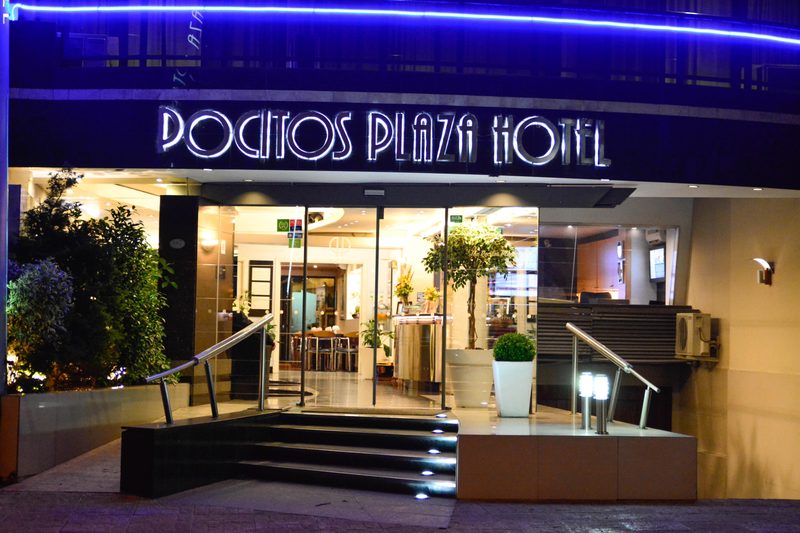
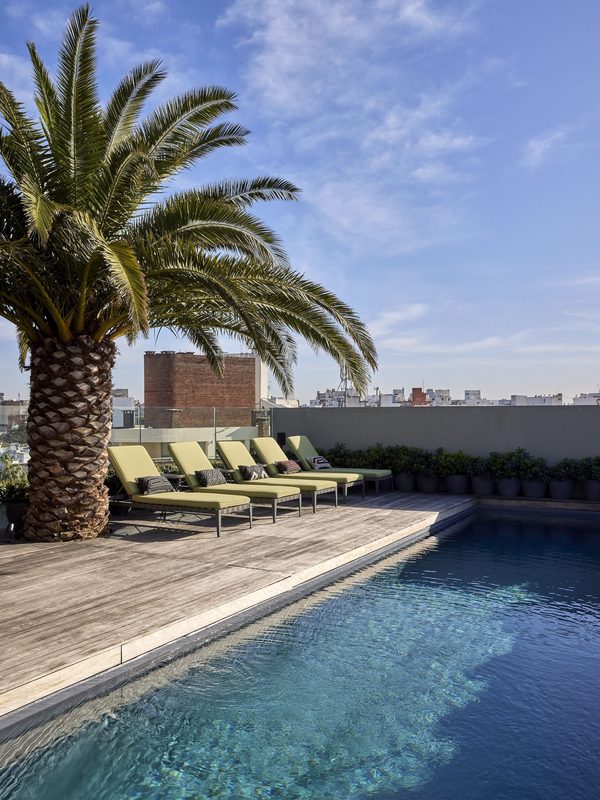
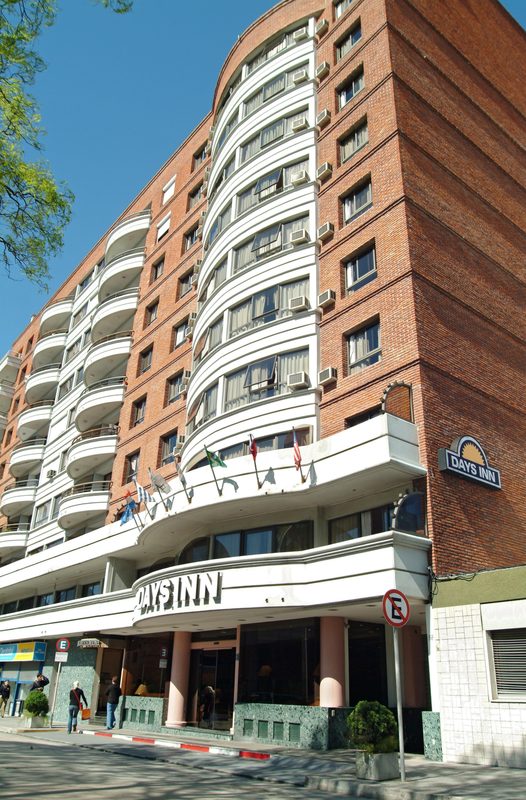
★★★★★
Luxury
Hotel Montevideo - Leading Hotels of the World
From $155 / night
Check Prices on Trip.com →
Public Holidays in August
Dates that affect opening hours, transport and crowds
Día de la Independencia
Known in English as Independence Day. Observed nationwide as a public holiday.
Día de la Independencia
Known in English as Independence Day. Observed nationwide as a public holiday.
Packing Checklist
Bookmark this page — your progress is saved between visits
Need the full list with shopping links?
Climate-specific gear, brand recommendations, and what to leave at home.
View Montevideo Packing List →Essential Tips
Insider knowledge and common pitfalls to avoid
Insider Knowledge
Mate culture peaks in winter, and August is when you will see it most intensely: thermoses and gourds on every park bench, bus stop, and office desk in Montevideo. If a local offers you a sip from their gourd, accepting is the socially correct move even if you find the bitter yerba tea an acquired taste. Declining can read as cold. The etiquette is simple: drink the whole gourd down, hand it back, and do not say thank you until you have had enough, because gracias signals you are finished.
Mercado del Puerto has two distinct personalities. On weekends, it tilts toward visitors and the energy shifts accordingly. On a Tuesday or Wednesday at noon, the parrilla counters are filled with Montevideanos on their lunch hour. The pace is faster, the portions sometimes more generous, and the whole experience feels like the working market it still is rather than the attraction it becomes on Saturdays.
Montevideo is generally safe by South American capital standards. But Ciudad Vieja after dark requires the same street awareness you would use in any large city. The barrio empties out once the offices close, and the streets between the port and Plaza Matriz can feel deserted by 9 PM on a weeknight. Stick to lit streets, keep your phone out of sight while walking, and for tango venues in quieter blocks, a short taxi ride is worthwhile.
The Rambla's wind has a direction, and knowing it saves your day. A southeasterly sudestada brings the worst cold and damp off the water. Check the forecast and pick a section of the Rambla that puts the wind at your back rather than in your face. Locals know this instinctively, which is why you will see joggers on Pocitos beach one morning and nobody the next. Any local weather app will show you wind direction hours ahead.
Avoid These Mistakes
Avoid arriving packed for warm weather. August sits squarely in the Southern Hemisphere winter, and travelers who picture South America as universally tropical get a sharp correction at the Montevideo airport. The 8°C (47°F) mornings and persistent river wind demand real cold-weather clothing, not a hoodie and sandals.
Do not treat the Rambla as a guaranteed good walk. A calm, clear August afternoon makes Montevideo's waterfront extraordinary. A windy one makes it punishing. Checking the wind forecast before committing to a long coastal walk is the difference between a highlight and a slog, and locals treat this as routine rather than optional.
Avoid trying to do everything on August 25. Independence Day closes many shops and some restaurants, and the parade along 18 de Julio can slow crosstown transit to a crawl. Build the day around cultural events, the parade itself, and Mercado del Puerto, which stays open, rather than planning a full shopping and sightseeing itinerary that depends on normal business hours.
Ready to plan your trip to Montevideo?
Now that you've got the research covered, here's where to go next.
Explore More Activities in Montevideo
Didn't see anything interesting yet?
Browse Viator's full catalog of tours, day trips, food experiences, and private guides in Montevideo.
See All Montevideo Tours on Viator